Project use sets the comparison

Kitchen cabinet manufacturers for project enquiries

Describe the building, cabinet schedule and installation constraints before comparing manufacturers. We provide independent sourcing support to help business buyers ask the same questions of each proposed supplier.

  1. Read the project drawing
  2. Separate repeated and special units
  3. Confirm delivery and document scope

Translate application into purchase fields

Multifamily unit schedules

Multifamily unit schedules

Group cabinet quantities by unit type and handed layout. Record which doors, end panels and fillers are exposed, and label packages by building, floor or apartment. A repeated layout may simplify the schedule, but a site variation still needs its own revision.
Developer kitchen packages

Developer kitchen packages

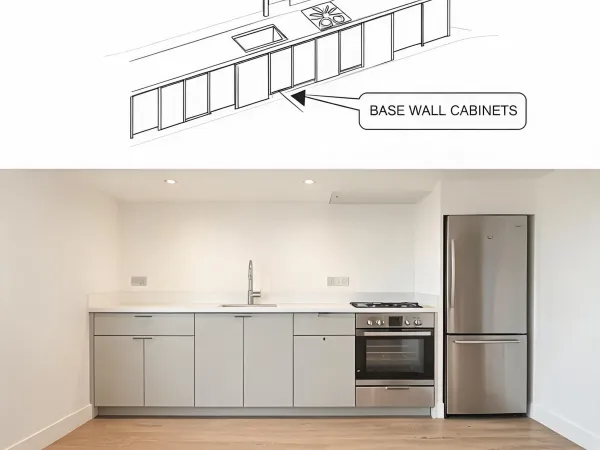
Coordinate cabinet widths with appliance openings, countertop edges and service locations. Ask whether the supplier price includes decorative panels and trim. Site measurements and clearances must be accepted by the project team before the production drawing is released.

Contractor fit-out sequences

Contractor fit-out sequences

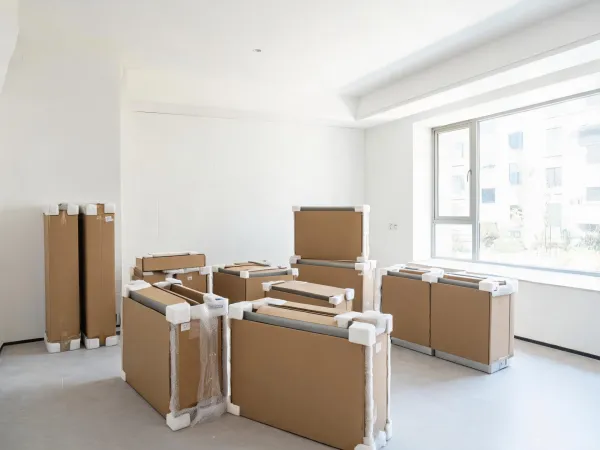
State whether cabinets arrive assembled or ready to assemble. Compare assembly labor, receiving access, carton identification and damaged-part procedures. Delivery to a port, warehouse or project receiving area is a different scope; specify the intended destination explicitly.

Importer assortment planning

Importer assortment planning

Define each replenishment code and its component schedule. Review packing quantity, finish reference and change-control procedure. A proposed alternative door may alter appearance, hinge drilling or future replacement matching, so approval needs a documented comparison rather than a name-only substitution.

Selection questions

Resolve construction and logistics together

These checks guide supplier enquiries; they do not establish a universal cabinet standard or a verified factory capability.

Ready-to-assemble packaging can reduce the shipped cabinet volume, while assembled units shift assembly work away from the site. Compare packing dimensions, handling risk, hardware completeness, local labor and installation sequence on the actual offer. Neither assembly state removes the need to check finished dimensions.

No. A box label does not specify back panel, shelf, door core, joinery or surface finish. Compare the component schedule, edge treatment and proposed thickness in inch or mm. A different material may meet a budget priority, but the project designer must accept the offered construction and application.

No. The January 2023 Sauder catalog reference recorded in our research illustrates a 24-inch depth and 34.5-inch height for certain base cabinets. Those are reference values for that product family, not dimensions of every cabinet on this site. Confirm width by unit code and clarify countertop, legs and toe-kick allowances.

Ask the supplier to identify the exact item covered by a drawing or applicable test record and state its scope. KCMA-related documentation does not determine a unique cabinet size. An unrelated certificate, a showroom sample or a broad factory claim does not verify the proposed configuration.

Reference scope: Sauder Cabinetry Catalog, January 2023, used to frame dimensional questions, not to endorse a supplier.

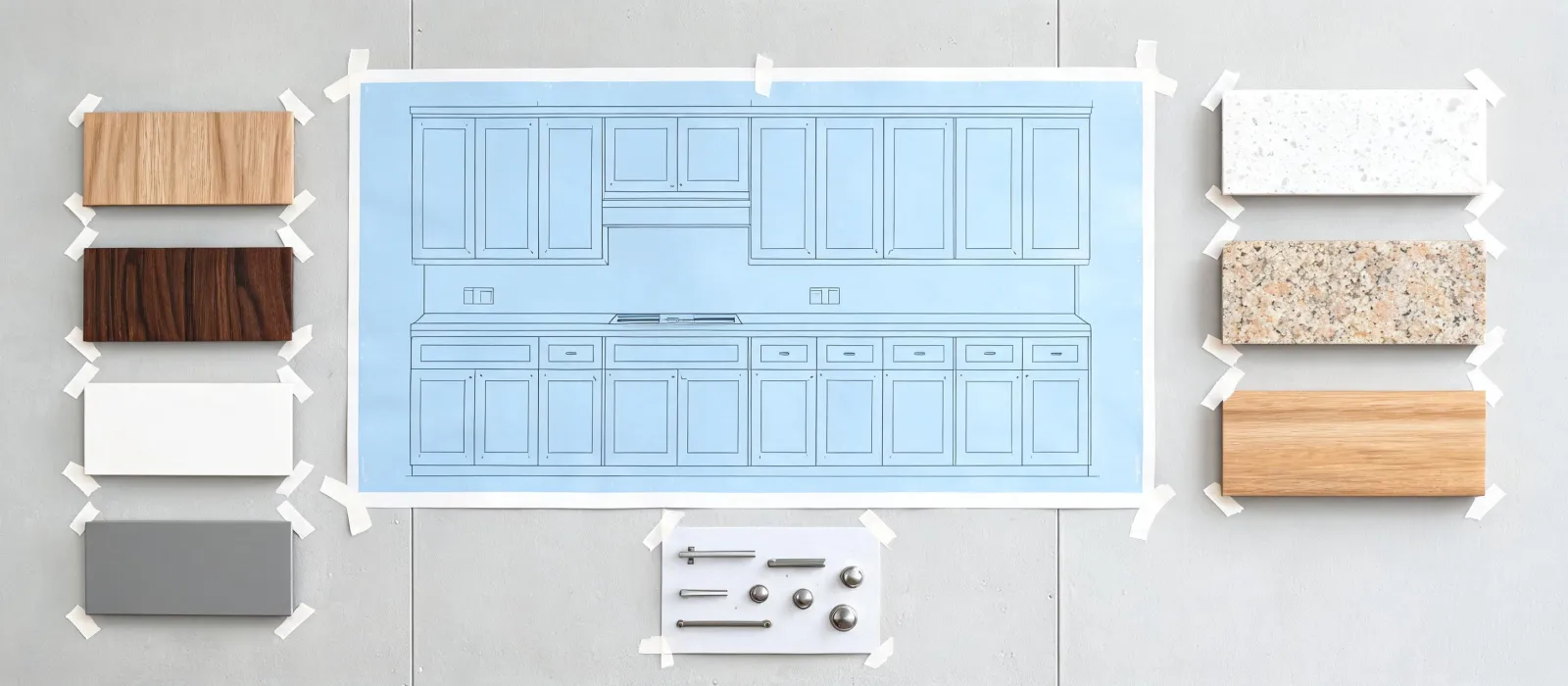
Cabinet drawing and specification board

Send the project context with the cabinet list

Include unit counts, revision, installation stage and US delivery destination. Flag any material or finish choices still open so proposed suppliers can quote alternatives explicitly.

Send Material Requirements